
In a serious or disputed crash, when an accident reconstructionist becomes involved can be just as important as the analysis itself. Crash evidence has a shelf life. Vehicles get repaired or scrapped, scenes get repaved or regrown, and footage gets overwritten.
Bringing in an accident reconstructionist early isn't just a best practice; it may be the best opportunity to capture evidence before it disappears or changes. Here's what's at stake when reconstruction gets delayed and what timely involvement can protect.
Why Evidence Has a Shelf Life
Unlike a legal record, physical evidence doesn't wait for litigation timelines. Court deadlines can be measured in months or years, while the evidence a reconstruction depends on can be lost within days or weeks.
An accident reconstruction built on evidence gathered weeks or months after a crash is working with a fraction of what was originally available. In some cases, the analysis may have to rely on secondhand documentation, which can limit the ability to independently verify important details about how the crash occurred.
Preserving Vehicle Evidence Early
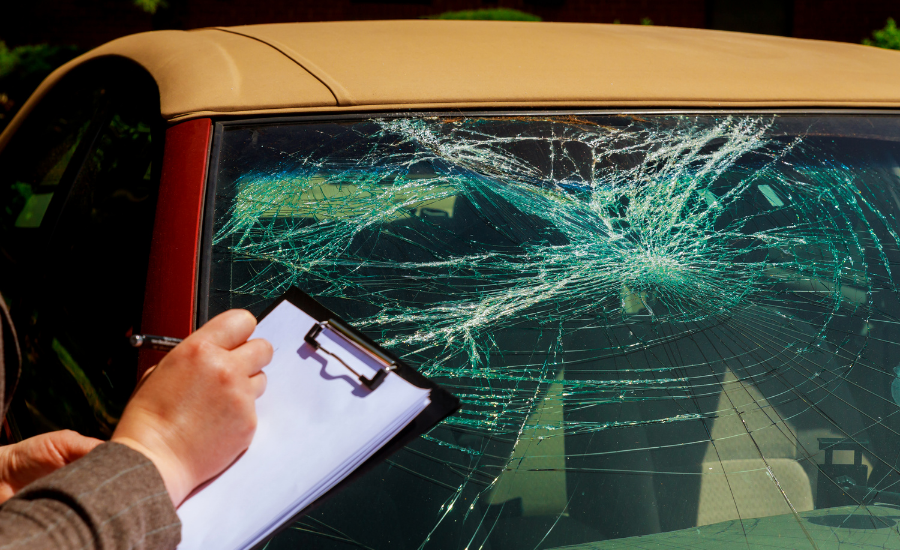
Vehicles may be released from impound, repaired, or sold for salvage shortly after a crash. Once that happens, crush profiles, tire deflection patterns, lamp filament condition, seatbelt webbing, and other physical evidence may no longer be available for direct examination.
A vehicle held for even a short period after a crash gives a reconstructionist the chance to document this evidence directly, rather than reconstruct it from photographs or repair estimates after the fact.
Documenting the Scene Before Conditions Change
Roadway geometry, sightline obstructions, signage, and pavement markings at the time of a crash may not match what's there even a few weeks later. Vegetation gets trimmed, potholes get patched, and temporary conditions like construction zones or seasonal glare disappear as if they never existed.
A prompt site visit lets a reconstructionist measure and document the roadway as it actually was — not as it's remembered or later altered.
EDR and Video Evidence Are Racing the Clock
EDR data can have limitations depending on the vehicle and circumstances, and additional events or vehicle operation may affect what information is available. Many commercial and residential surveillance systems overwrite footage on relatively short retention cycles, and dashcam and other video systems often face similarly tight windows before that footage is lost.
Early involvement means data preservation requests and download requests go out while the evidence still exists, preserving available pre-crash speed, braking, throttle, seatbelt, and other vehicle data that can be difficult or impossible to recover once it's gone.
Catching Evidence That Would Otherwise Be Overlooked
A reconstructionist reviewing a case brings a trained eye to details a police report may not capture in full, including secondary impact points, roadway defects, additional witnesses, or environmental factors like visibility and sight distance.
Once the scene or vehicles change, these details often can't be recreated, no matter how thorough the later investigation is.
Making Sense of Competing Accounts
When driver and witness statements conflict, physical evidence is frequently the deciding factor.
The earlier that evidence is documented, the more reliable it is for evaluating which account the physical facts actually support — and the less the analysis has to rely on memory, assumption, or reconstruction from photographs, police reports, measurements, or other records.
How Early Reconstruction Shapes Case Strategy
Beyond evidence preservation, bringing in a reconstructionist sooner gives attorneys a clearer, more objective read on liability and case strength well before major strategy decisions are locked in.
Settlement posture, expert retention, discovery requests, and budget planning all benefit from having a factual foundation in place rather than reverse-engineered later in litigation.
The Bottom Line
Waiting to involve an accident reconstructionist rarely costs nothing; it usually costs evidence. TRC Forensic Engineering's Accident Reconstruction team can assess a case from the outset, identify what's at risk of being lost, and help preserve the evidence your case may ultimately depend on.